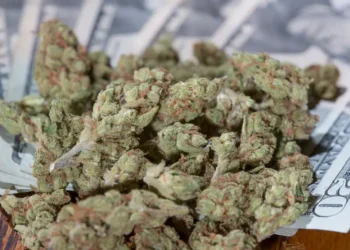


The United States cannabis industry is entering what analysts describe as a defining era of growth, fueled by regulatory shifts, expanding medical use and rapid product innovation. According to a new forecast from Renub Research, the U.S. cannabis market is projected to expand from $11.73 billion in 2025 to $40.41 billion by 2034, representing a compound annual growth rate of 14.73 percent between 2026 and 2034.
Industry observers say the surge reflects more than increased consumption. It marks the continued transformation of cannabis from a fringe product into a regulated, investment-driven sector embedded within the broader consumer and healthcare economy.
As more states legalize cannabis for medical and adult use, social stigma continues to decline. Millions of Americans now purchase cannabis products for wellness, pain management, relaxation and recreation through licensed dispensaries that offer lab-tested and labeled goods. The shift from illicit to regulated sales channels has strengthened tax revenues and investor confidence while improving product safety standards.
Product diversity is also reshaping the marketplace. Beyond traditional flower, consumers can now choose from edibles, beverages, tinctures, vape cartridges, concentrates and topical applications. Micro-dosed edibles and fast-acting drinks appeal to newer or health-conscious users seeking controlled effects, while premium indoor flower and solventless extracts cater to experienced consumers. Interest in minor cannabinoids such as CBG and CBN is expanding the functional wellness segment beyond THC and CBD.
Medical cannabis remains a core pillar of growth. Patients increasingly turn to cannabinoid-based treatments for chronic pain, epilepsy, cancer-related symptoms and sleep disorders, often as alternatives to opioids and other pharmaceuticals. Structured state programs and growing clinical research are lending additional legitimacy to the medical segment.
Still, challenges remain. Cannabis remains illegal at the federal level, creating a patchwork of state-by-state regulations that complicates interstate commerce and access to banking services. High excise taxes in certain states also keep illicit markets competitive.
Even so, major operators including Curaleaf, Green Thumb Industries and Trulieve continue expanding cultivation, retail and branded product lines in anticipation of sustained demand.
If current projections hold, the coming decade could cement cannabis as one of the fastest-growing regulated industries in the United States, reshaping consumer behavior and healthcare conversations alike.
Read the whole article from Trader here.