

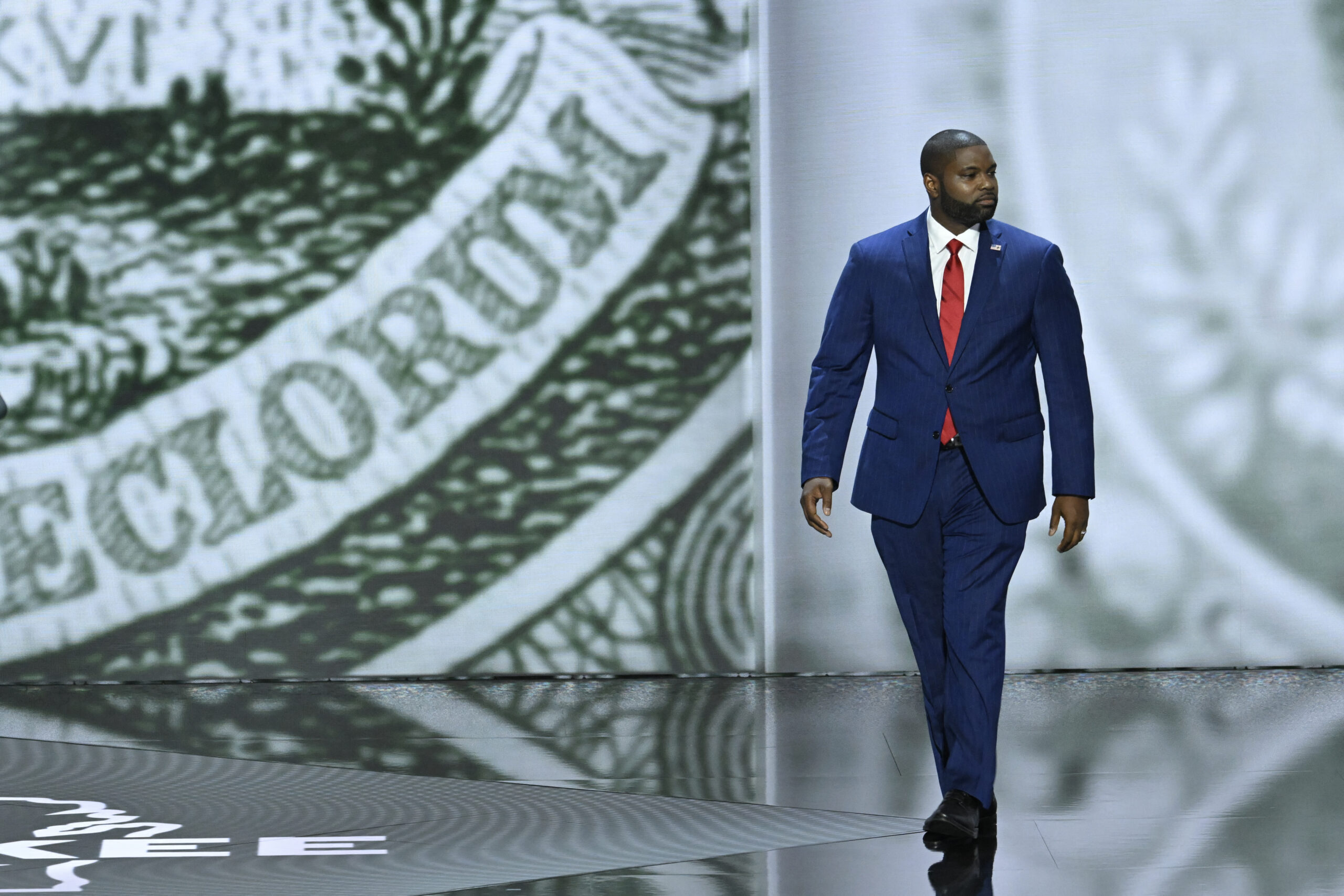
A Republican congressman running for governor of Florida has publicly acknowledged for the first time that he sold marijuana as a young adult—an admission that is drawing renewed scrutiny of his record on cannabis policy and criminal justice reform.
Byron Donalds (R-FL), who is seeking to succeed Ron DeSantis, discussed the incident during an interview with CBS Miami that aired Saturday. Donalds, who has previously opposed marijuana legalization efforts in Florida, confirmed he sold small amounts of cannabis before an arrest in the late 1990s.
“Honestly, I was walking down the street, leaving a party,” Donalds said, recalling the encounter with police. “Officers came up and asked me if I would empty my pockets. I said yes, of course. I had a dime bag of marijuana in my pocket. That’s the story.”
While Donalds’s 1997 arrest for marijuana possession had been reported previously, the congressman had not publicly acknowledged selling cannabis until now. The charges were eventually dismissed after he completed a pre-trial diversion program, allowing the case to be cleared from his record.
Donalds described his actions at the time as “terrible decisions,” saying they occurred during a difficult period early in his life. “I wish I could undo it,” he said, adding that the experience became part of what he views as a broader personal redemption story over the past two decades.
The revelation has also revived criticism from political opponents who argue that Donalds benefited from the kind of criminal justice leniency he has since opposed in Washington. During a House floor speech last year, Jasmine Crockett (D-TX) highlighted what she characterized as a double standard in Donalds’s approach to sentencing reform.
Crockett noted that the diversion program that cleared Donalds’s record effectively gave him a second chance—an opportunity she argued should be available to others facing similar charges.
Despite acknowledging that marijuana enforcement has historically involved “a trace of racism,” Donalds has taken a cautious stance on broader cannabis reform. He opposed a 2024 ballot initiative to legalize recreational marijuana in Florida and has argued that any changes to state cannabis policy should come through the legislature rather than voter initiatives.
At the same time, his congressional record on marijuana-related issues has been mixed. Donalds has supported measures related to cannabis research and banking access for marijuana businesses and has cosponsored legislation to protect gun rights for medical marijuana patients, while opposing broader federal legalization efforts.
As the Florida gubernatorial race begins to take shape, Donalds’s past—and his evolving comments about it—are likely to remain part of the political debate.
Read the whole article from Marijuanamoment here.