

The U.S. Army has announced sweeping changes to its enlistment standards, raising the maximum age for new recruits to 42 and easing restrictions for individuals with certain prior drug-related convictions, in a move aimed at addressing ongoing recruitment challenges.
Under the updated policy, individuals up to age 42 can now enlist across active-duty forces, the Army National Guard and the Army Reserve, marking a significant increase from the previous cutoff of 35. The adjustment brings the Army more in line with other military branches, including the Navy and Air Force, which already allow older recruits.
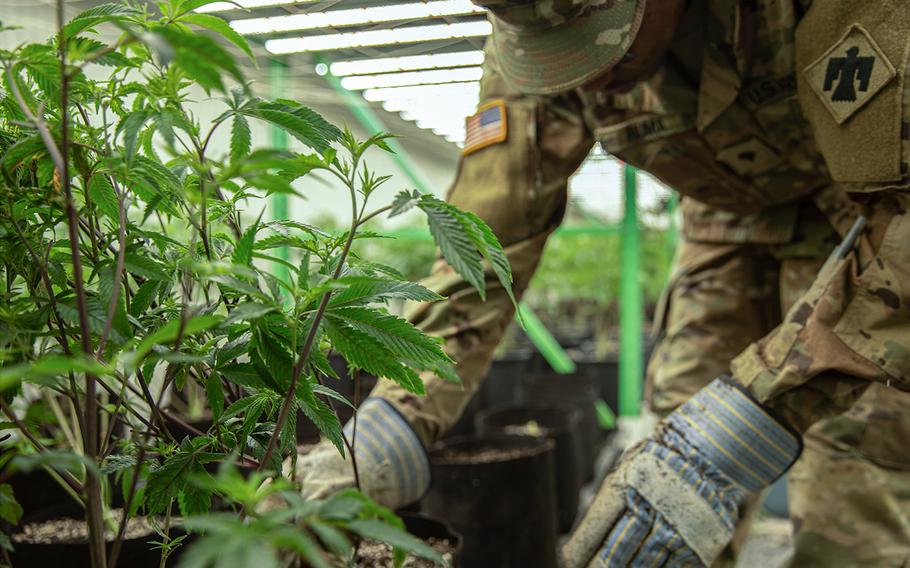
In addition to the age change, the Army has eliminated a longstanding barrier affecting applicants with a single conviction for marijuana possession or related paraphernalia such as pipes or bongs. Previously, such individuals were required to obtain a waiver from the U.S. Department of Defense and wait up to two years before becoming eligible to enlist. The new rules remove that delay, provided applicants pass required drug screenings.
Officials say the changes reflect a broader shift in recruitment strategy following recent shortfalls. The Army fell about 25 percent short of its enlistment target in 2022, prompting leadership to rethink how it attracts new soldiers, including increased outreach to younger generations.
At the same time, analysts have pointed to the potential benefits of older recruits. A 2023 report by the RAND Corporation found that older enlistees often demonstrate higher levels of motivation, focus and readiness for training. Army officials echoed that assessment, emphasizing the value of candidates with technical expertise and real-world experience.
“We’re looking at a more mature audience that might have experience in technical fields,” said Angela Chipman, a senior Army personnel official, in comments reported by Task & Purpose.
The policy changes come amid heightened operational demands and ongoing debates in Washington over defense spending. Some lawmakers have called for increased funding, pushing the already substantial military budget—now exceeding $900 billion—higher. Meanwhile, political figures including Donald Trump have made conflicting statements about current U.S. military engagements abroad, underscoring the complex backdrop against which the Army is seeking to bolster its ranks.
Together, the new measures signal a pragmatic shift as the Army works to expand its recruitment pool and adapt to evolving personnel needs.
Read the whole article from the Guardian Here.