
A Democratic congresswoman from Washington state is urging federal regulators to rethink strict drug testing rules for transportation workers that penalize legal marijuana use even when there is no evidence of impairment on the job.
Rep. Emily Randall (D-WA) raised the issue earlier this month during a “member day” hearing before the House Transportation and Infrastructure Committee, arguing that current federal policy is worsening workforce shortages—particularly in states like Washington, where ferries are a critical part of daily transportation.
Randall, a co-chair of the Congressional Ferry Caucus, said drug testing requirements for safety-sensitive maritime workers are out of step with state marijuana laws and modern science. Under existing rules, employees can test positive for THC weeks after consuming cannabis legally and responsibly off duty, potentially costing them their jobs.
“Right now, you could drug test positive for a month or longer after using legal recreational marijuana in Washington and be unable to work as a ferry operator,” Randall said. She encouraged lawmakers and regulators to explore “creative solutions,” including relaxing rules around off-duty marijuana use in states where it is legal, provided workers are not impaired while on the job and observe a defined window before reporting to work.
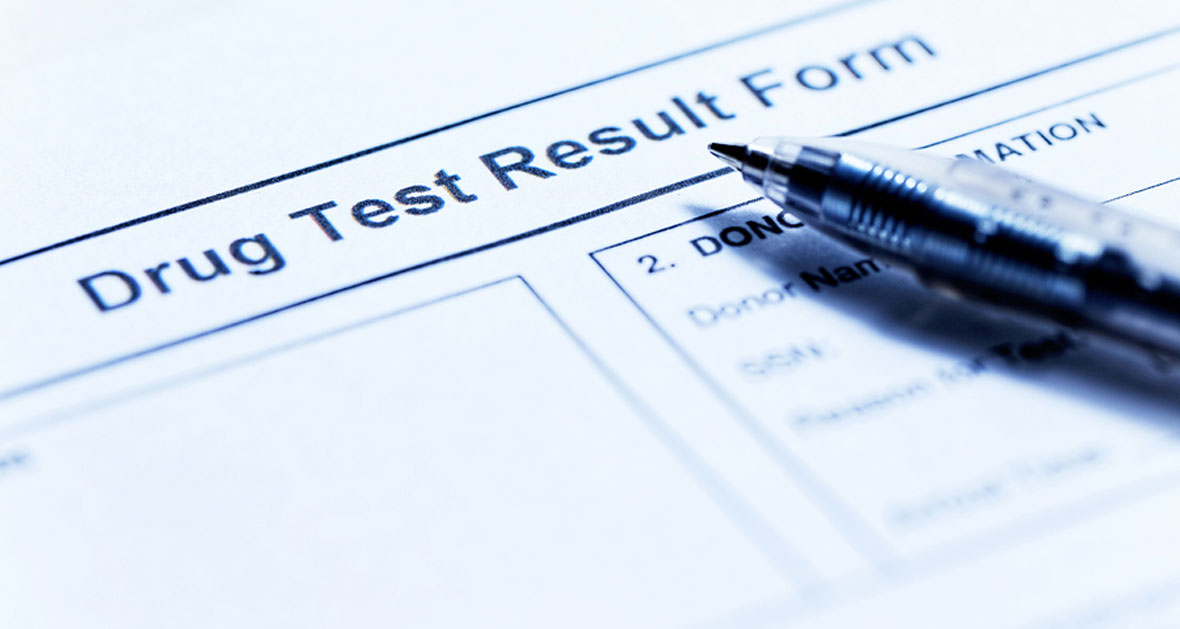
Federal law currently requires drug testing for certain transportation workers under Department of Transportation (DOT) regulations. Last month, DOT reiterated that all safety-sensitive employees must continue to comply with marijuana testing requirements, even as the Trump administration considers moving cannabis from Schedule I to Schedule III of the Controlled Substances Act.
In a bulletin, the department emphasized that until Attorney General Pam Bondi finalizes any rescheduling action, marijuana remains prohibited for workers subject to DOT testing. “Transportation employees in safety-sensitive positions will still be subject to testing for marijuana,” the agency said, adding that laboratories and medical review officers must continue operating under existing rules.
Even if cannabis is rescheduled, former Transportation Secretary Pete Buttigieg has said such a move would not automatically change DOT testing policies. He noted in 2024 that marijuana is listed by name in federal testing rules, not by schedule, and that authority stems from the 1991 Omnibus Transportation Employee Testing Act.
The debate comes amid growing scientific uncertainty about how well THC levels reflect impairment. Recent federal and academic reviews have found little evidence of a consistent relationship between blood THC concentration and driving performance, raising questions about policies that rely on metabolite detection rather than real-time impairment.
For Randall, the issue is ultimately about balance. “We need to protect public safety,” she said, “while also making sure outdated rules aren’t preventing us from building the workforce our transportation systems depend on.”
Read the whole article from Marijuanamoment here.