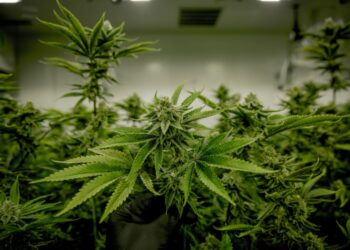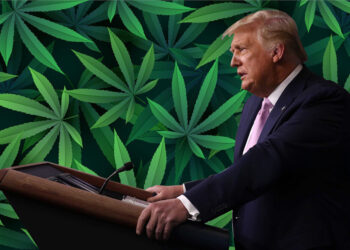

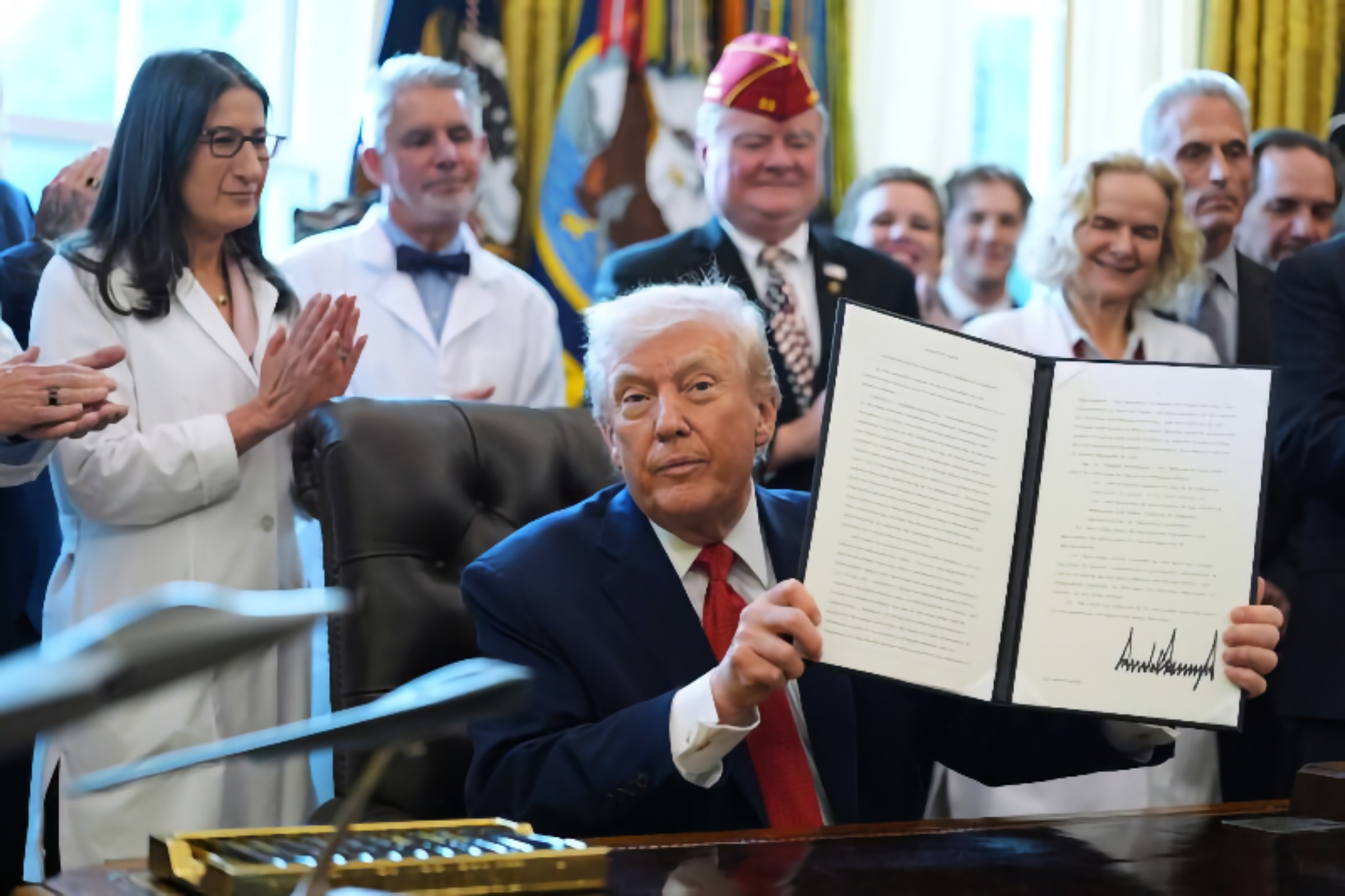
President Trump has signed an executive order that reschedules marijuana into Schedule III from Schedule I.
Schedule III drugs are labeled as having medical value and lower abuse potential.
The two main effects of this order will be to allow cannabis businesses to receive federal tax deductions and to remove many research barriers.
Importantly, the order does not legalize marijuana, and still leaves legalization up to the states. However, many states may now change their views on legalization considering some have cited the Schedule I classification as reason to not allow the drug.
When signing the order, Trump said “We have people begging for me to do this, people that are in great pain for decades. This action has been requested by American patients suffering from extreme pain, incurable diseases, aggressive cancers, seizure disorders, neurological problems and more—including numerous veterans with service-related injuries and older Americans who live with chronic medical problems that severely degrade their quality of life.”
He also noted that this “doesn’t legalize marijuana in any way, shape or form, and in no way sanctions its use as a recreational drug.”
This is also going to bring in new investors into the cannabis world, now that it can be treated more like a pharmaceutical. We’ll likely see many new medical iterations of the plant.
The order also allows Medicare patients to get access to CBD, which will be covered under their health care plan.
“I promised to be the president of common sense, and that is exactly what we’re doing. This is really something having to do with common sense, and it’s something having to do with the fact that so many people that I respect asked me to do—people that are having problems, big problems, that are having big problems with illness, with cancer in particular,” said Trump.
More to come on this story.